Calgary Top Landscaping Company for Custom Landscape Solutions
Calgary Top Landscaping Company for Custom Landscape Solutions
Blog Article
Enhance Your Outdoor Environment Through Experienced Landscaping Solutions
Revamping exterior areas with professional design services can significantly improve both visual appeal and usable function. Experienced landscapers examine individual properties, adapting designs to fit particular environmental needs and terrain composition. They introduce a collection of greenery and built structures to create engaging outdoor areas. This deliberate strategy raises home worth and also lowers maintenance demands. Identifying the core components of superior landscaping is necessary for house owners aiming to improve their outdoor experience. What next steps should they proceed with?
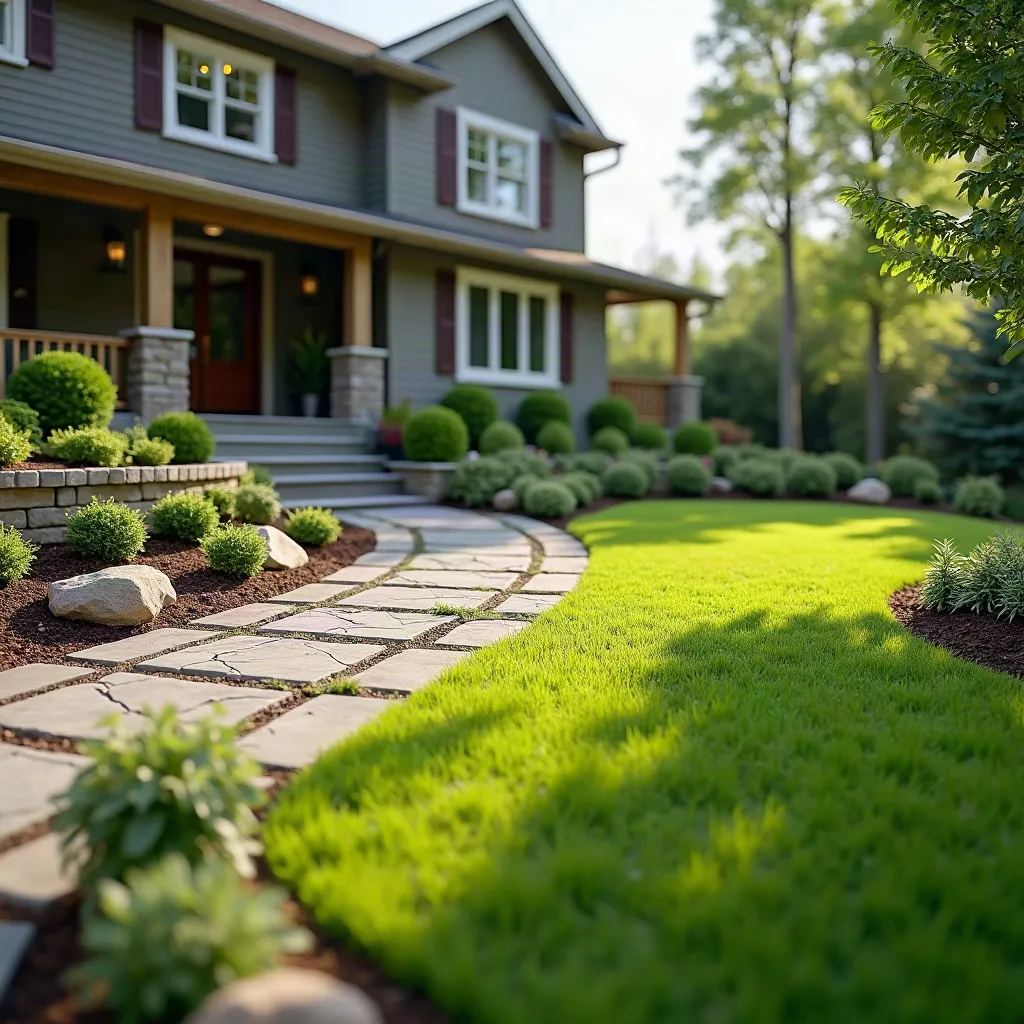
The Advantages of Expert Landscaping Offerings
Professional landscape design solutions transform outdoor spaces into practical and visually attractive environments. These services offer a range of benefits that extend beyond mere appearance. One key advantage is the improvement of property value; expertly crafted outdoor designs can significantly boost a home's market appeal. Additionally, professional landscapers have the expertise to select appropriate plants and materials customized for specific climates and soil types, guaranteeing sustainability and longevity.
Furthermore, these offerings can strengthen outdoor usability, crafting spaces for relaxation, fun, or play. By methodically designing layouts, landscaping professionals optimize the use of space while blending in elements like pathways, outdoor floors, and gardens.
Furthermore, engaging experts can save homeowners time and effort, alleviating the burden of planning and maintenance. This enables individuals to enjoy their outdoor spaces without the stress of constant upkeep. Ultimately, professional landscaping services produce environments that improve both the beauty and usability of outdoor areas.
Required Characteristics for a Effective Landscape Design
A successful landscape design is characterized by several key features that contribute to both practicality and aesthetic beauty. First, a well-thought-out layout maximizes space, ensuring ease of movement while establishing separate zones for leisure and social gatherings. Second, the incorporation of hardscaping elements, such as pathways, patios, and retaining walls, adds organization and longevity to the design. Third, proper drainage systems are essential to avoid water buildup and protect plant health.
Additionally, the use of focal points, like sculptures or water features, guides the eye and enhances aesthetic interest. Ambient lighting plays an vital role as well, lighting pathways and accentuating notable landscape elements, thereby extending usability into the nighttime hours. Finally, a balanced plant selection, which considers seasonal shifts, fosters species abundance and backs area fauna. Together, these aspects construct a seamless and attractive outdoor space that reflects the homeowner's personality while addressing practical needs.
Methods for Pick the Right Vegetation for Your Landscape
How can property owners select the perfect plants for their yards? First, understanding the local climate is crucial; plants should flourish in the specific temperature and rainfall conditions of the area. Next, evaluating sunlight exposure helps determine whether to select shade-loving or sun-loving varieties. Soil type also plays a important role; testing soil pH and texture ensures compatibility with selected plants.
Homeowners should consider the yard's size and layout, opting for plants that complement the space without overwhelming it. Additionally, choosing native plants can improve local ecosystem diversity while requiring less maintenance.
Finally, taking into account personal tastes—such as hue, feel, and seasonal interest—will help design a visually appealing landscape. A well-thought-out blend of these elements ultimately leads to a vibrant and harmonious outdoor space that reflects the homeowner's style while being sustainable and manageable.
Enhancing Performance Through Hard Landscaping
Hardscaping serves as a key feature in improving outdoor living spaces by creating functional areas for leisure and social gathering. It also enables the development of pathways and patios, directing foot traffic and adding structure to the landscape. Additionally, effective hardscaping can enhance water management and reduce erosion, contributing to the overall well-being of the yard.
Optimizing Outdoor Living Spaces
Changing exterior living areas greatly boosts their effectiveness, creating appealing areas for unwinding and entertainment. Well-planned hardscaping elements, such as retaining walls, outdoor kitchens, and fire pits, can considerably elevate these spaces. Using sturdy materials like stone, brick, or pavers allows homeowners to create a balanced aesthetic that complements nature while offering useful features. These features not only define areas for social gatherings but also improve accessibility and organization within the outdoor environment. Furthermore, strategically placed seating arrangements can encourage conversation and foster a warm ambiance. In the end, a carefully created outdoor living space maximizes enjoyment by blending comfort with utility, making it a key part of modern home landscaping.
Building Footpaths And Patios
An assortment of expertly designed walkways and outdoor entertaining areas can greatly improve outdoor usability and visual appeal. These landscape features function as vital connectors between various zones of a yard, providing easy navigation while defining areas for relaxation and entertaining. Patios create inviting zones for outdoor events, outfitted to house seating and social activities. Pathways, constructed from options like stone, brick, or concrete, not only direct pedestrian flow but also lend to the general design theme of the landscape. Incorporating curves and different widths can add aesthetic appeal, making the outdoor space more appealing. When expertly placed, pathways and patios blend smoothly with the natural environment, enhancing both practicality and aesthetic value in any external environment.
Improving Water Flow And Erosion
Upgrading outdoor environments surpasses aesthetics; it also entails addressing practical matters like drainage and erosion. Successful landscaping melds hardscaping elements, such as retaining walls, gravel pathways, and permeable pavements, which assist in controlling water flow and curbing soil erosion. By thoughtfully positioning these features, homeowners can channel excessive rainwater away from delicate areas, protecting both plants and structures.
Additionally, employing French drains or swales can further enhance drainage by routing water to predetermined locations. These remedies not only protect against damage but also boost the overall usefulness and lifespan of the landscape. Ultimately, professional landscaping services deliver expertise in implementing these hardscaping techniques, ensuring a balanced and resilient outdoor environment that withstands the challenges of nature.
Seasonal Upkeep Tips for Your Landscape
Effective seasonal maintenance is crucial for maintaining the aesthetics and vitality of any landscape. Homeowners should implement specific tasks throughout the year to ensure their exterior areas flourish. In spring, the emphasis should be on removing dead matter, loosening earth, and adding nutrients to promote development. Summer maintenance includes regular watering, mulching, and trimming to support robust vegetation while avoiding illness.
As autumn approaches, it's essential to remove debris, prepare garden beds for winter, and sow perennials for future growth. Winter maintenance may include protecting delicate plants with mulch or fabric, ensuring adequate drainage, and inspecting hardscapes for damage from freezing temperatures. By following these seasonal care guidelines, homeowners can improve their outdoor spaces' durability and visual beauty, creating a lively landscape year-round.
Questions to Consider When Selecting a Lawn Care Company?
When selecting a landscaping service, what critical questions should homeowners evaluate to ensure they make an informed choice? First, they should inquire regarding the company's full information experience and knowledge in the specific type of landscaping desired. Grasping their approach to design and previous projects can provide meaningful insights.
Initially, homeowners should inquire regarding insurance and licensing credentials to confirm compliance with local regulations and protection against potential liabilities. A thorough quotation is vital, so requesting a detailed cost breakdown will help avoid surprise costs.
Checking the duration for completing the project and maintenance options is also important, as it affects long-term satisfaction. Additionally, property dwellers should explore the types of materials and plants the company incorporates, assuring they align with personal preferences and environmental sustainability. Finally, studying opinions and obtaining references can bring confidence about the service's reliability and quality.
Frequently Requested Questions
What Cost Should You Expect for Professional Landscaping Services?
Expert landscaping typically falls between $50 to $150 per hour, influenced by the difficulty level of the work and location. Homeowners should account for ancillary costs for materials, design choices, and routine maintenance when establishing a budget for landscaping services.
How long should you anticipate a landscape undertaking to take?
Landscaping work can take several weeks down to a few days, determined by the project scope, area size, and design difficulty, with larger-scale projects requiring additional duration for fulfillment.
Will Grounds Maintenance Increase My Property Value?
Landscaping can considerably improve home worth by upgrading street presence, establishing inviting outdoor spaces, and improving visual quality. Well-maintained gardens and strategic design often draw prospective purchasers, turning properties more desirable in the real estate market.
Which Permits Do You Need for Landscaping Projects?
Landscaping endeavors often call for diverse permits, subject to local ordinances. Common permits cover those for tree removal, structural additions, and altering drainage. Homeowners should reach out to local authorities to confirm compliance with zoning laws and environmental guidelines.
How Do Climate Factors Affect Garden Selection?
Weather patterns considerably influence landscaping choices, as rainfall, temperature, and sunlight affect plant picking, soil preparation, and maintenance techniques. Adjusting designs to local climate secures sustainability, growth, and overall aesthetic appeal in outdoor spaces.
Report this page